Inspiration & Design · 9 min read
Ceremony Styling in Italy: Details That Make the Moment Feel Like You
The ceremony is the moment everyone remembers. Here is how to style it so the setting, the details and your story become one.
 by Marina Mătăsaru, destination wedding planner in Italy since 2014 · Published 8 October 2026
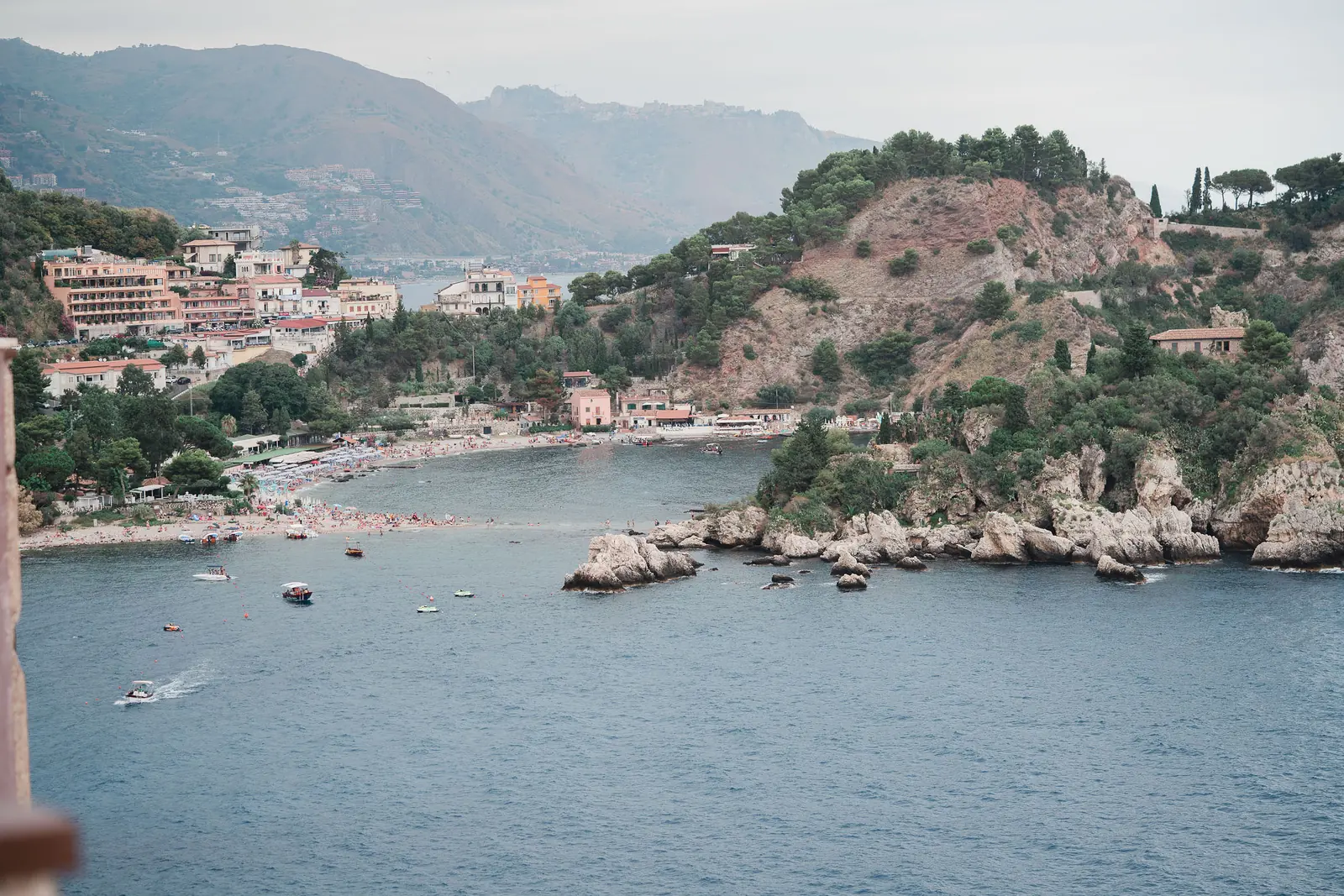
Good ceremony styling in Italy starts from the setting: a frame that lets the view or the architecture lead, flowers suited to the season, a seating layout that keeps guests close, and details that carry your story, such as personal vows, music or a family ritual. Check the rules first, because churches and civil venues often limit décor, petals or rice, and plan the ceremony time around light, heat and a Plan B.
Many couples begin dreaming of an Italian wedding with one image: the moment they say “I do”, with the lake, the hills or the sea behind them. That moment lasts perhaps half an hour, yet it is the one guests remember and the one you will look at most in your photographs.
The short answer is this: style the ceremony around the place, not against it. Choose a simple, strong frame, flowers that suit the season, seating that keeps people close and personal details that make the moment yours. Then check the practical side, from church rules to the afternoon sun. Here is how we approach it.
- Let the setting lead: the view, the church or the garden is already the main décor.
- Focus on three areas: the altar or frame, the aisle and the seating.
- Churches and civil venues have their own rules; ask for them in writing before briefing your florist.
- Timing, light, shade and a Plan B matter as much as the flowers.
How do you style a wedding ceremony in Italy?
We shape the ceremony atmosphere around your setting and your story. Sometimes that means understated décor, sometimes a sculptural floral installation, and sometimes simply a frame that lets the venue speak for itself.
- 1Start from the setting. Stand where you will say your vows and look at what the guests will see behind you.
- 2Choose the type of ceremony. Civil, religious and symbolic ceremonies each come with different freedoms and rules.
- 3Decide on one focal point. An arch, a floral installation, a pair of urns, or nothing but the view.
- 4Design the aisle and seating so guests feel close and can see you.
- 5Add the personal layer: words, music, rituals and the people who take part.
- 6Plan the practical side: time of day, light, shade, sound and Plan B.
Which ceremony settings work best, and how do you style each one?
Every setting asks for a different touch. Here are the ones we see most often, with the styling that usually suits them.
| Setting | Example places | Styling that works |
|---|---|---|
| Lake terrace | A villa terrace on Lake Como or Lake Garda | A light frame or low floral compositions that keep the water visible |
| Garden or olive grove | A Tuscan or Umbrian villa garden, a masseria in Puglia | Natural greenery, an arch or installation in the trees, simple chairs |
| Sea terrace | Positano or Ravello on the Amalfi Coast, Sicily | Designs that frame the sea without blocking it; secure, wind-proof pieces |
| Historic church | A church in Florence, Positano or a lakeside village | Restrained flowers within the parish's rules; let the architecture lead |
| Town hall or authorised venue | A historic hall or a villa authorised for civil marriages | Elegant, minimal touches allowed by the venue and the comune |
In nature, the landscape is more than a backdrop. It is the place where people pause, breathe and are truly present, which is why many of the ceremonies our team organises take place outdoors.
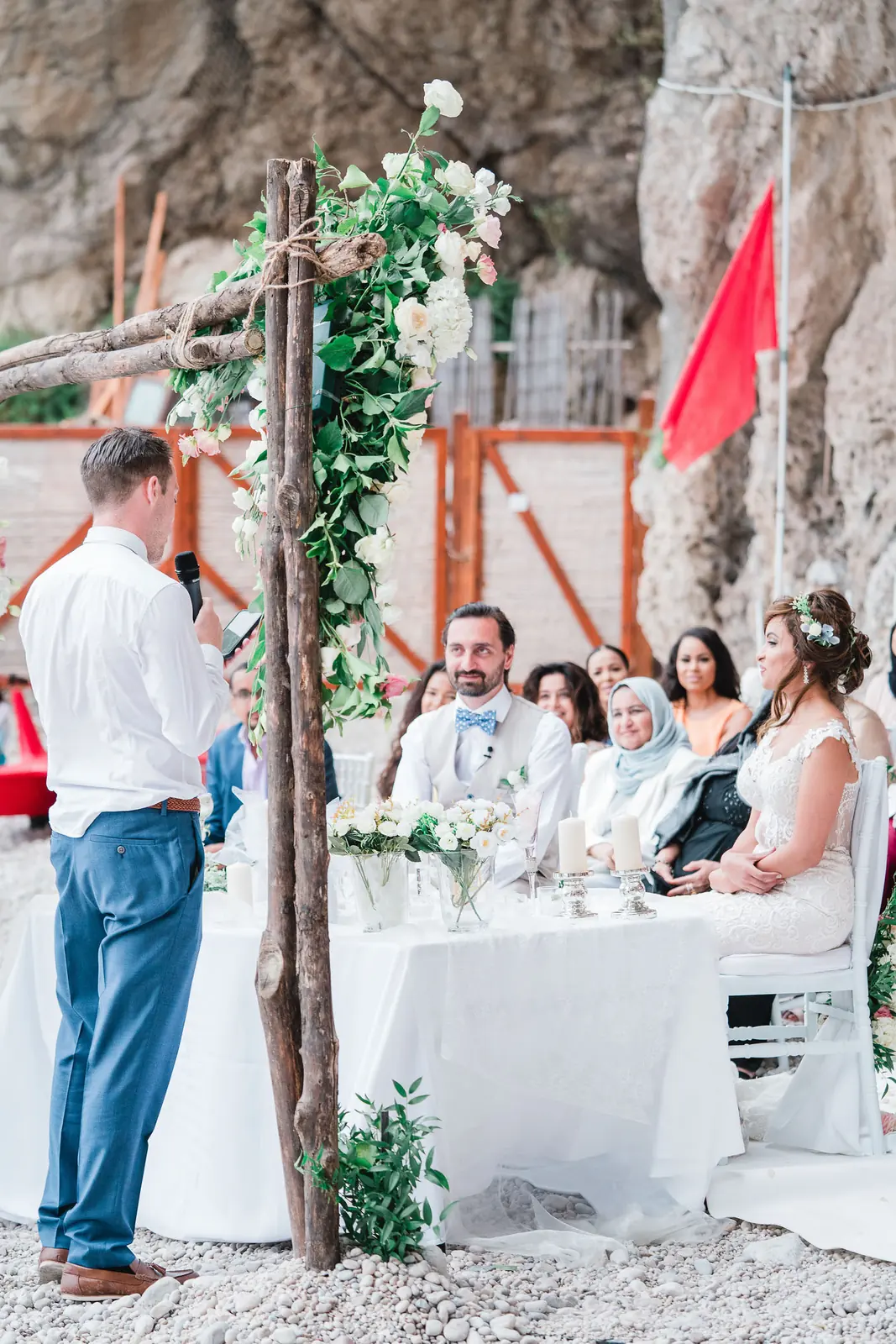
What décor do you need for the altar, the aisle and the seating?
The altar or frame
This is where all eyes go. A sculptural installation, two generous compositions on either side, an arch woven into the trees or a single beautiful table can be enough. Keep the view open behind you whenever the view is the reason you chose the place.
The aisle
Lanterns, low arrangements, greenery or petals along the edges can guide the walk. On gravel, grass or old stone, think about the bride's shoes and the dress, and keep the path safe.
The seating
- For a small group, a curved or semicircular layout brings everyone closer.
- Reserve the first rows for family and mark them discreetly.
- Provide shade, water or fans for warm afternoons, and wraps for cool evenings.
- Think about older guests: easy access, comfortable chairs and a place out of the sun.
Are there rules for decorating a church or a civil ceremony in Italy?
Yes, and they vary from place to place. There is no single national rule: each parish and each venue sets its own. Some churches limit flower arrangements, candles or aisle runners, and some do not allow rice, confetti or petals inside or outside, or ask the florist to clean up afterwards. Liturgical seasons can also affect decoration.
- Religious ceremony: ask the parish for its written wedding guidelines before booking your florist. Read more about our religious ceremonies.
- Civil ceremony: the town hall or authorised venue may allow only certain décor and set-up times; confirm with the venue and the comune. See our civil ceremony page.
- Symbolic ceremony: the freest option, limited mainly by the venue's own rules.
Ask early when your florist can enter the church or ceremony space. In historic places the set-up window can be short, and that changes what is realistic to build.
How do you make the ceremony feel personal?
The styling sets the scene, but what makes the moment feel like you is what happens inside it. A symbolic ceremony offers the greatest freedom here: your own words, the people you love taking part, the gestures that matter to you.
- Vows you write yourselves, read in your own language or in both.
- A reading or a blessing by a parent, grandparent or close friend.
- Music chosen for each moment: the entrance, the vows, the exit.
- A family ritual or a tradition from your home country.
- A small detail from your story: a flower from your mother's garden, a ribbon in the bouquet, a printed programme in your handwriting.
A ceremony should reflect your values and the way you choose to celebrate. The décor is there to hold the moment, not to take it.
Marina Mătăsaru
For a full guide to writing and structuring one, see the symbolic ceremony in Italy.
When should the ceremony take place, and what if the weather changes?
Timing is part of the styling. Light changes the colours of the flowers, the shade changes the comfort of your guests and the position of the sun decides whether you squint in your photographs.
- In summer, a late-afternoon ceremony avoids the strongest heat and gives softer light.
- Check where the sun will be at your ceremony time, for you and for your guests.
- On sea or lake terraces, plan for wind: secure arrangements and light materials that will not fly.
- For outdoor music and vows, a discreet sound system helps everyone hear you.
- Every outdoor ceremony needs a Plan B that you would be happy to use.
Our guide to the rain plan for an outdoor wedding in Italy explains how to prepare a Plan B that still feels beautiful. And on the day, a coordinator makes sure everyone knows exactly where and when they need to be.
Frequently asked questions
How do you decorate an outdoor wedding ceremony in Italy?
Start from the view and keep it open. Choose one focal point, such as a floral installation, an arch or two generous compositions, guide the aisle with low arrangements or lanterns, and arrange seating so guests feel close. Add shade or wraps depending on the season, and secure everything against wind on lake and sea terraces.
Can you throw rice or petals at a church wedding in Italy?
It depends on the parish. Rice is a traditional Italian custom, but each church sets its own rules, and some restrict rice, confetti or petals inside or outside, or require cleaning afterwards. Ask the parish for its written guidelines before planning the exit.
Can we decorate a town hall for a civil wedding in Italy?
Usually only lightly, and within the rules of the town hall or authorised venue. Some allow flowers and simple touches with limited set-up time, others very little. Confirm what is permitted with the venue and the comune before you brief your florist.
What time should a wedding ceremony be in Italy?
It depends on the season and the setting. In summer, a late-afternoon ceremony avoids the strongest heat and offers softer light; in spring and autumn, earlier times can work well because the sun sets sooner. Check the light at your venue at the planned hour.
How can we personalise a symbolic ceremony in Italy?
Write your own vows, invite loved ones to read or take part, choose music for each moment and include a ritual or tradition from your family or country. Because a symbolic ceremony has no legal format, you are free to shape its words, length and setting entirely around your story.
In closing
The most beautiful ceremonies in Italy are rarely the most decorated. They are the ones where the place, the details and the people feel in harmony, and where you can simply be present. Choose a frame that honours the setting, check the practical side early, and leave plenty of room for your own words.
This article is general guidance from our planning experience. Requirements, availability and prices change: always confirm the details for your date.
Your next step
Imagining your ceremony but not sure how to style it?
Tell us about your setting and your story, and in 20 minutes we will help you see the ceremony that feels like you.
Gift consultation · 20 min