Wedding Planning · 9 min read
Legal or Symbolic Ceremony in Italy: How to Choose What Feels Right
The practical differences between a civil, religious and symbolic ceremony in Italy, and the questions that help you choose the one that truly represents you.
 by Marina Mătăsaru, destination wedding planner in Italy since 2014 · Published 8 October 2026
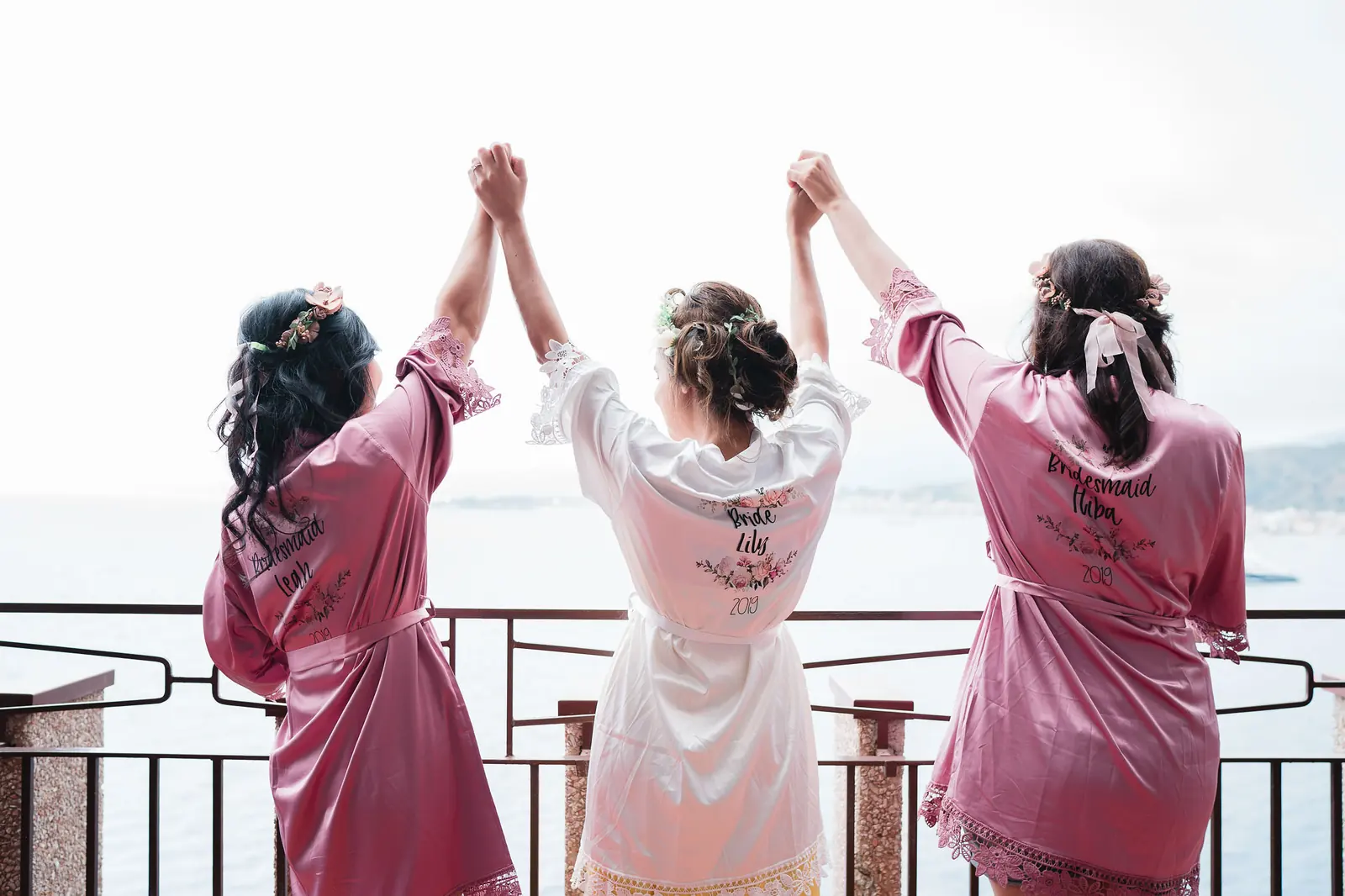
A legal ceremony in Italy, civil or Catholic with civil effect, makes you officially married but requires documents such as a nulla osta and must take place in an authorised setting or church. A symbolic ceremony has no legal value, needs no Italian paperwork and can take place almost anywhere, with your own words. Many foreign couples marry legally at home and celebrate symbolically in Italy.
Choosing between a legal or symbolic ceremony in Italy is one of the first decisions of your wedding, because it shapes where you can marry, how much paperwork you need and how personal the ceremony can be. Neither option is better. One will simply feel more right for your story.
In this guide we explain the differences in plain language, how a religious ceremony fits in, and the questions we ask couples to help them choose. The legal information is general: rules change and depend on nationality, so always confirm them with your consulate and the comune.
- Legal means paperwork and an authorised setting; symbolic means freedom of place and words.
- A Catholic wedding in Italy can also be legally valid when it is registered civilly.
- Many couples marry legally at home, then hold a symbolic ceremony in Italy.
- Always confirm current legal requirements with your consulate and the comune.
What is the difference between a legal and a symbolic ceremony in Italy?
A legal ceremony makes your marriage official. In Italy it can be a civil ceremony before a civil registrar, or a religious ceremony that also has civil effect. A symbolic ceremony is a celebration of your promises, without legal value, so the official part is handled separately.
| Civil ceremony | Religious (Catholic) ceremony | Symbolic ceremony | |
|---|---|---|---|
| Legal value | Yes | Yes, when registered civilly | No |
| Where | Town hall or a setting authorised by the comune | A church, according to the parish and diocese | Almost anywhere: garden, terrace, beach, vineyard |
| Paperwork | Nulla osta and supporting documents | Church documents plus civil documents | No Italian paperwork |
| Words | Includes the legal articles read by the officiant | Follows the rite of the Church | Fully personal, your own vows and rituals |
| Officiant | Mayor or authorised official | Priest | Celebrant of your choice |
Can foreigners get legally married in Italy?
Yes. Foreign couples can marry legally in Italy and there is no residency requirement. A civil marriage takes place before the comune's civil registry office (Ufficio di Stato Civile), in the town hall or in another setting authorised for civil ceremonies, such as some villas and historic buildings.
The documents depend on your nationality, but these are the ones most often involved:
- Nulla osta: a declaration from your country's authorities that there is no impediment to the marriage, usually issued by your embassy or consulate.
- Passport and birth certificate, often with an apostille or legalisation and a sworn translation into Italian.
- Proof that any previous marriage has ended, where it applies.
- A declaration of intent to marry, made at the civil registry office before the ceremony.
- Witnesses and, if you do not speak Italian, an interpreter, according to what the comune requires.
Start several months ahead and confirm every requirement with your consulate and the comune, because procedures change and differ from place to place. For more detail, read our article on civil weddings in Italy for foreign couples.
How does a religious ceremony fit in?
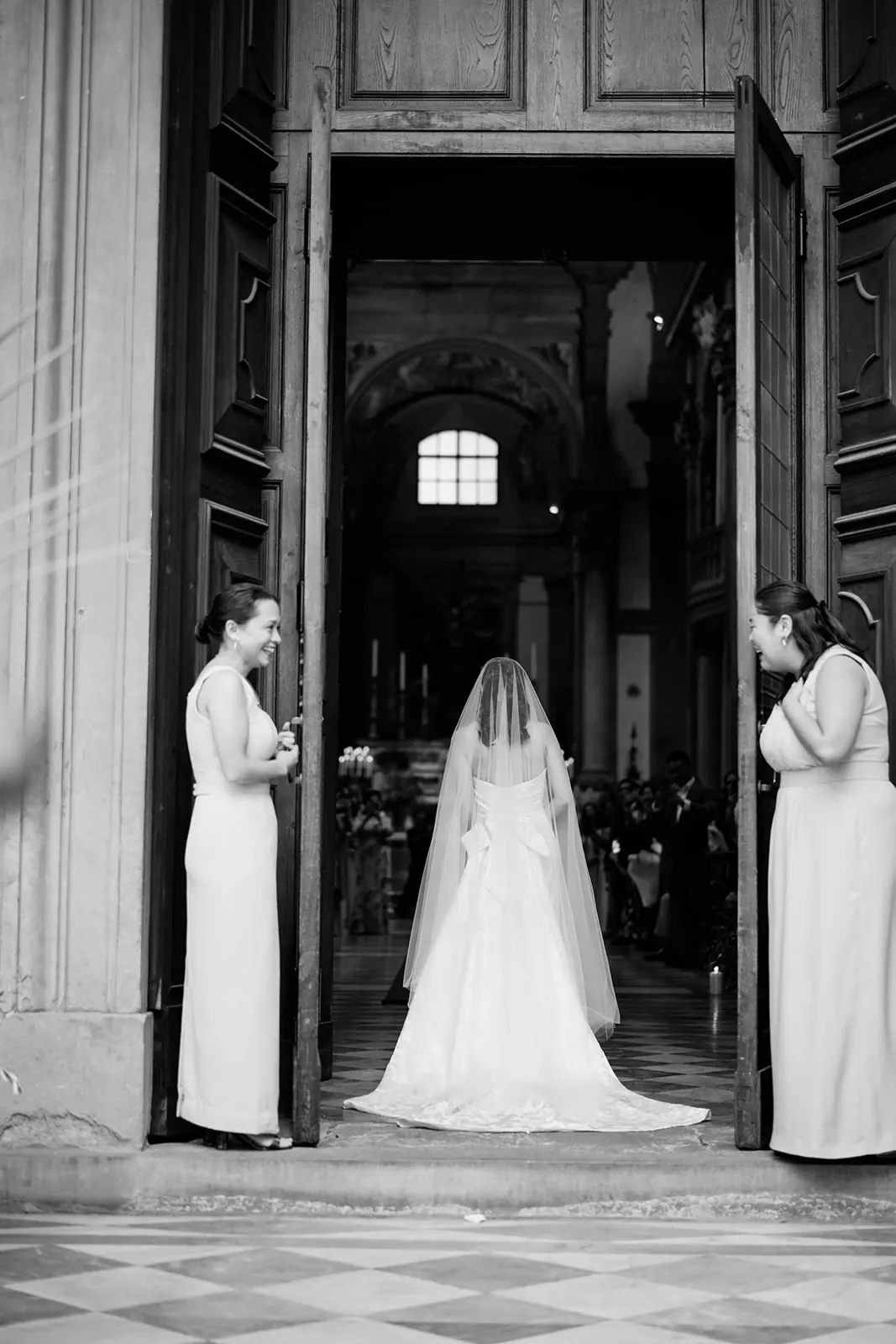
For many couples, faith is at the heart of the wedding. Italy has extraordinary churches, from village chapels to historic basilicas. A Catholic wedding celebrated in Italy can also be legally valid, when the marriage is registered with the civil authorities after the ceremony.
This route usually requires both church documents, such as baptism and confirmation certificates and proof of marriage preparation, and civil documents such as the nulla osta. The parish and diocese set their own requirements, so the first step is to speak with your home parish and the church in Italy. Other faiths have their own rules, and some religious ceremonies have no civil effect without a separate civil marriage. Our religious ceremony page explains how we help, and our guide to a Catholic wedding in Italy goes into the requirements.
Why do so many couples choose a symbolic ceremony in Italy?
A symbolic ceremony is not about paperwork, it is about you. Because it has no legal value, it leaves room for your own words, the people you love and a setting chosen only for its meaning. Malika and Valentin, for example, chose a romantic symbolic ceremony by Lake Como for their 40 guests.
- Freedom of place. A villa garden, a terrace above the sea, a vineyard or the shore of a lake.
- Freedom of words. Personal vows, readings by loved ones, rituals from your culture or your story.
- Freedom of language. The ceremony can be in your language, or in more than one.
- Freedom of time. No registry office schedule, so the ceremony can fall at the perfect hour of light.
- A simpler plan. No Italian documents, which is calmer for couples planning from abroad.
A symbolic ceremony is often the most emotional moment of the weekend. When the words are yours, everyone feels it.
Marina Mătăsaru
How do you choose the ceremony that feels right?
When couples are unsure, we ask them a few simple questions. The answers usually make the choice clear.
- 1Do you want Italy to be the place where you officially marry? If yes, a civil or Catholic ceremony is your route.
- 2Is faith essential to your wedding? A religious ceremony may matter more than the setting.
- 3Do you already have a specific place in mind? If it is not authorised for civil weddings, a symbolic ceremony keeps it possible.
- 4How much time do you have? Legal paperwork needs months; a symbolic ceremony needs none.
- 5How personal do you want the words to be? The more personal, the more a symbolic ceremony suits you.
Decide the ceremony type before you book the venue. Many couples fall in love with a villa garden and only later discover it is not authorised for civil ceremonies.
Can you combine a legal and a symbolic ceremony?
Yes, and many couples do. The most common combination is a short civil wedding at home, before or after the trip, followed by a symbolic ceremony in Italy with all the guests. Another option is a small civil ceremony at an Italian town hall, followed by a symbolic ceremony in the setting you love.
Some couples also combine faith and legal steps: Mark and Isabella, whose wedding we organised in Tuscany for more than 100 guests, had both a religious and a civil ceremony. Whatever you choose, we shape it within your wedding timeline so the day flows naturally. Discover all the options on our ceremonies page.
Frequently asked questions
Is a symbolic wedding in Italy legally binding?
No. A symbolic ceremony has no legal value. To be officially married, you need a separate civil ceremony, either in your home country or at an Italian town hall, or a religious ceremony with civil effect.
Can foreigners get married legally in Italy?
Yes. There is no residency requirement. Each partner usually needs a nulla osta and supporting documents, often apostilled and translated into Italian. Requirements depend on nationality and the comune, so confirm them with your consulate.
Is a Catholic wedding in Italy legally valid?
It can be, when the church marriage is registered with the Italian civil authorities. This requires both church and civil documents. Speak first with your home parish and the church in Italy, as dioceses set their own requirements.
Where can a symbolic ceremony take place in Italy?
Almost anywhere the venue allows: a villa garden, a terrace, a beach, a vineyard or a lakeside spot. Because there is no legal procedure, the setting and the time of day are chosen freely.
How long does the paperwork for a civil wedding in Italy take?
It varies by nationality and comune. We suggest starting at least three to four months before the date, and earlier if your country's procedures are slow. Always confirm timings with your consulate and the local registry office.
Can same-sex couples marry in Italy?
Italy offers civil unions for same-sex couples, introduced in 2016, rather than marriage. Many same-sex couples also choose a symbolic ceremony. Check current rules and recognition with your consulate and the comune.
In closing
A legal ceremony gives your marriage its official beginning in Italy. A symbolic one gives you complete freedom of place, words and time. Some couples choose one, many combine both. Start from what matters most to you, faith, legal status or personal meaning, and the right ceremony becomes clear.
If you would like to talk through which route fits your nationality, venue and timeline, we are happy to share our experience.
This article is general guidance from our planning experience. Requirements, availability and prices change: always confirm the details for your date.
Your next step
Choose your ceremony with clarity
In a 20-minute online conversation we help you see which ceremony fits your story and what to verify next.
Gift consultation · 20 min